

Electrical problems aren’t always easy to see.
A connection may look normal during a visual inspection while producing more heat than it should. That extra heat can be an early indicator that something needs a closer look.
That’s one reason thermal imaging can be a valuable tool for electrical professionals. By detecting temperature differences that aren’t visible to the naked eye, thermal inspections can help identify potential issues before they develop into equipment failure or unexpected downtime.
What Is a Thermal Inspection?
A thermal inspection uses an infrared camera to detect and display differences in temperature. Instead of showing an electrical component the way a traditional camera would, the thermal camera creates an image based on heat.
This gives an electrician another way to evaluate electrical equipment while it is operating.
When a component or connection is significantly warmer than expected compared with surrounding areas, it can be a sign that further investigation is needed. The thermal image doesn’t necessarily tell the whole story on its own, but it can help point an experienced technician toward an area that deserves a closer look.
Why Do Electrical Hot Spots Matter?
Electrical systems naturally produce heat as they operate. The concern is when heat becomes excessive or uneven.
An abnormal hot spot can potentially be associated with conditions such as:
- Loose or poor electrical connections
- Overloaded circuits
- Imbalanced loads
- Increased resistance
- Components that may be beginning to deteriorate
Identifying these conditions early gives an electrical professional an opportunity to investigate the cause and determine whether maintenance or corrective action is needed.
The goal isn’t simply to find something that’s hot. It’s to recognize an abnormal condition early enough to understand what is causing it and address it before it becomes a larger problem.
Seeing More Than the Eye Can See
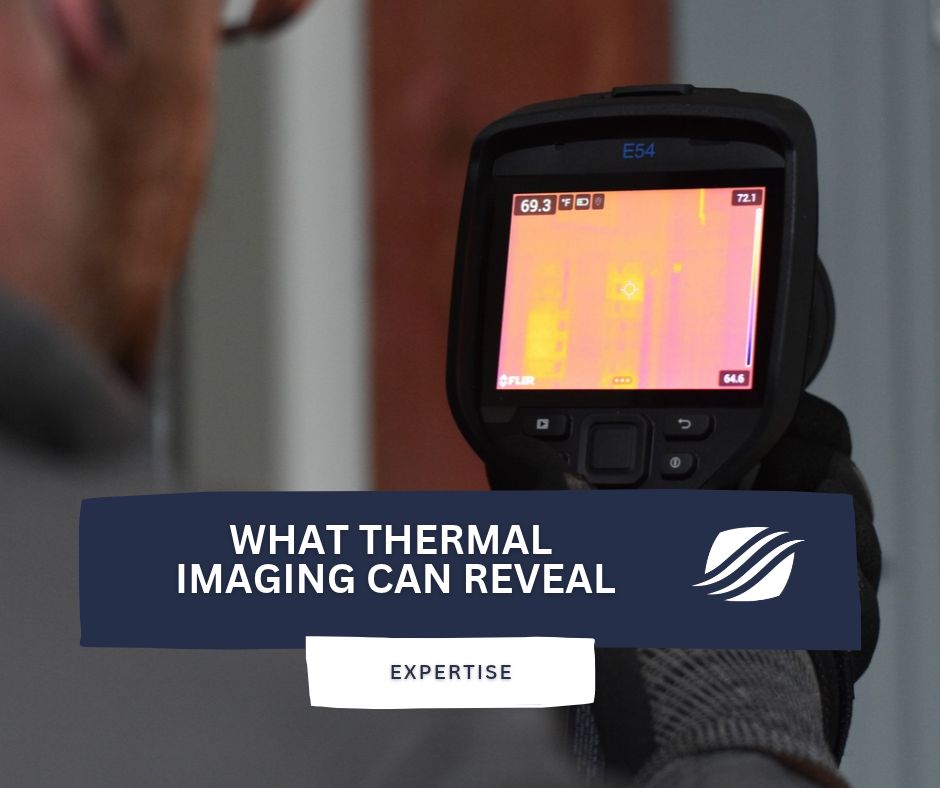
In the photo above, MSD electrical technician Erik is using a thermal imaging device to inspect an electrical panel.
The screen on the device displays a thermal image of the equipment, allowing Erik to see temperature differences across the panel that wouldn’t be apparent from a standard visual inspection. The device also provides temperature readings, giving him additional information as he evaluates the equipment.
This type of inspection gives our electrical team another layer of information when evaluating a system. Rather than relying solely on what can be seen, thermal imaging can help identify areas that may warrant additional investigation.
How MSD Uses Thermal Imaging
At MSD, technology is one part of how our electrical team approaches facility maintenance and troubleshooting.
Our electricians bring field experience and technical knowledge to every inspection, and tools like thermal imaging can help them gather additional information about the condition of electrical equipment.
When a thermal inspection identifies an unusual temperature pattern, the next step isn’t automatically to replace a component. Our team can investigate the equipment, consider what may be causing the temperature difference and determine the appropriate course of action.
That combination of technology and electrical expertise is what makes thermal imaging useful.
Finding Potential Problems Before They Become Failures
For facility owners and managers, an unexpected electrical failure can mean more than an equipment repair. It can disrupt operations, affect productivity and create unplanned downtime.
Thermal inspections can be one way to help identify potential problems before they reach that point.
By looking for abnormal heat patterns and investigating potential issues early, electrical professionals can help facilities stay ahead of problems rather than waiting for a failure to occur.
Keep Your Electrical System Running Reliably
From inspections and troubleshooting to ongoing electrical maintenance and service, MSD’s electrical team can help you understand what’s happening within your facility’s electrical systems.
Schedule a facility conversation with MSD to talk about your electrical needs.